Medical Image Analysis Lab
Welcome to the Medical Image Analysis (MIA) Laboratory at the University of Bern, ARTORG Center for Biomedical Engineering Research.
Course Overview
During the MIA Lab, you will work on the task of brain tissue segmentation from magnetic resonance (MR) images (see data). You will implement and investigate a complete image analysis pipeline, including:
- Pre-processing: image normalization and intensity correction
- Registration: aligning images to a common reference space
- Feature extraction: computing informative features from images
- Voxel-wise tissue classification: machine learning for tissue segmentation
- Post-processing: refinement of segmentation results
- Evaluation: quantitative assessment of performance
Throughout the laboratory, you will learn and use various libraries and software tools essential in the medical image analysis domain, while working on a real-world biomedical engineering challenge, and investigate one of the elements of the pipeline in depth.
Enjoy!
Schedule
The course runs from September to December 2026 with lectures and lab sessions on Wednesdays. See the detailed schedule for which pages go with which lecture.
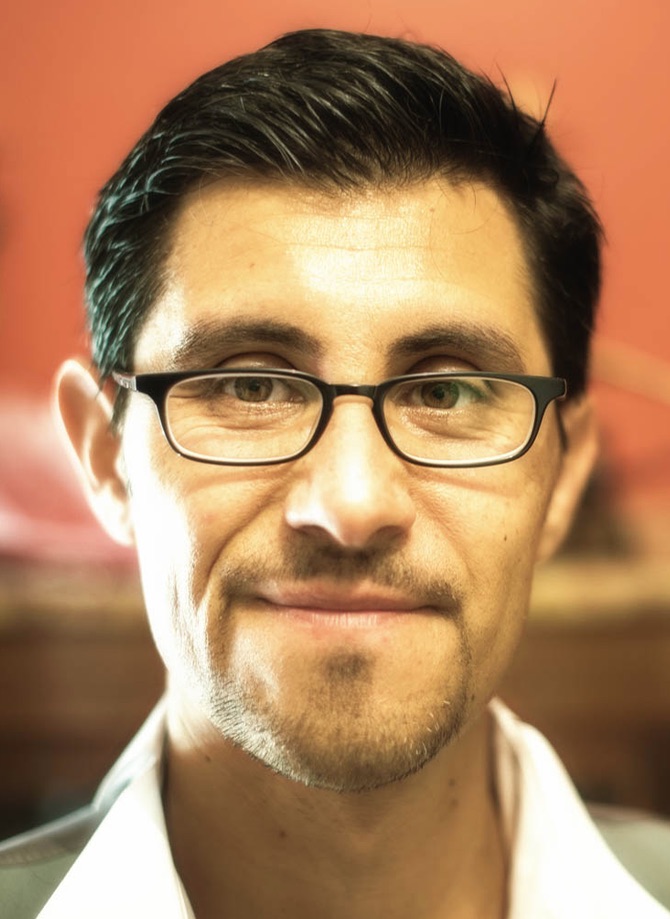
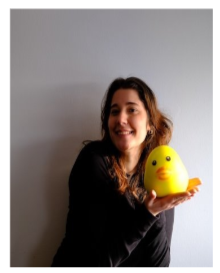
Teaching Team
Learning Objectives
By the end of this course, you will be able to:
- Understand the fundamental concepts and challenges in medical image analysis
- Implement a complete image processing and analysis pipeline
- Apply machine learning techniques to medical imaging problems
- Evaluate and compare different approaches quantitatively
- Work with standard medical imaging file formats and tools
- Document and present your work in a scientific format
Assessment
The course is assessed through:
- Coding exercises: practice with image basics, pipeline implementation, and random forests
- Written multiple-choice exam (40%): December 2, 2026
- Final presentation (60%): December 9 or December 16, 2026, with 10 minutes per group plus 2 minutes for questions
There will also be a formative mid-term presentation on November 11, 2026. Each group will have up to 5 minutes to present its approach, progress, challenges, and insights.
Resources
- Getting started: installation, tools, IDEs, the Ubelix HPC cluster, LaTeX, and visualization
- Topics: clinical background, the data, and each step of the pipeline
- Exercises: the three homework exercises
- Code repository: ubern-mialab/mialab, and the rest of the code in the ubern-mialab GitHub organization
- Contact: reach out to the instructors via email or during office hours, contact us on GitHub, or find us at the MIA group at the ARTORG Center
Course Philosophy
This course features a front-loaded teaching structure where the fundamental concepts and techniques are taught in the first weeks, followed by an extended project period where you apply these concepts to solve a real medical imaging challenge. You'll work in groups and receive regular feedback from instructors.
This course is part of the Masters program in Biomedical Engineering at the University of Bern.